Printed vs Embroidered Custom Kimonos: Which Decoration to Choose
Print your custom kimonos when the design is large or full color, and embroider them when the design is a name, monogram or small logo. Get Custom Kimonos offers both methods, often on the same robe, with a minimum of 12 kimonos and a free mockup within 24 hours, so you can compare printed and embroidered versions before you approve anything.
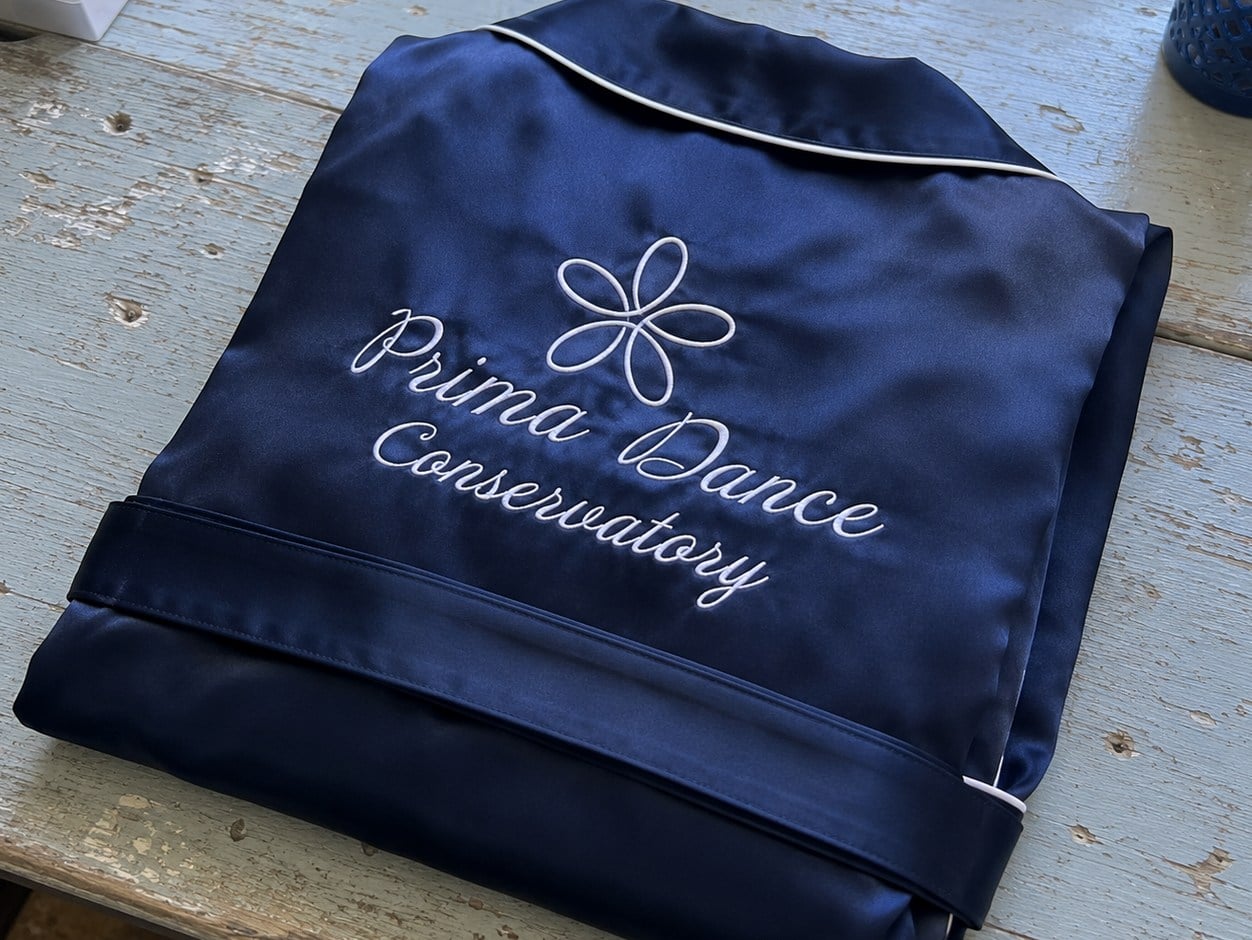
- Printing suits large, full-color and all-over kimono designs
- Embroidery suits names, monograms and small chest logos
- Chiffon festival kimonos are best printed; waffle robes lean toward embroidery
- Print and embroidery can be combined on one robe; minimum order is 12
- Free mockup within 24 hours, standard turnaround about 2 weeks
Should I choose printed or embroidered custom kimonos?
Choose printed custom kimonos when the design is large, colorful or detailed, and choose embroidered kimonos when the design is small, text-based and meant to feel premium up close. Printing covers big areas like a full back design or an all-over pattern. Embroidery stitches thread into the fabric, which suits names, initials, titles and compact logos on the chest or sleeve.
Most buyers do not need to pick one method for every robe and every placement. Get Custom Kimonos can quote a set where the back carries a printed group design and the chest carries an embroidered name, and the free mockup within 24 hours shows how both methods sit on your chosen fabric before you pay anything.
The quick rule of thumb:
- Big, bright or photographic artwork: printed.
- Names, monograms and short titles: embroidered.
- Sheer chiffon festival kimonos: printed, because the fabric is too light for dense stitching.
- Heavy satin or waffle robes worn for years: embroidered details hold up and feel substantial.
How do printed and embroidered kimonos compare side by side?
Printed and embroidered kimonos differ in how much area they can cover, how fine the detail can be, how they feel against the skin and how they suit each fabric on the site. The table below compares the two decoration methods across the questions buyers ask most often when they request a quote from Get Custom Kimonos.
| Question | Printed kimonos | Embroidered kimonos |
|---|---|---|
| Best design size | Large back designs, sleeves and all-over patterns | Small chest marks, names, initials and short titles |
| Color range | Full color, gradients and photographic detail | Solid thread colors, including metallic threads |
| Feel | Flat and soft, moves with the fabric | Raised and textured, reads as premium |
| Best fabrics | Chiffon, satin and lightweight festival fabrics | Satin, waffle and heavier robe fabrics |
| Fine detail | Thin lines and small type reproduce well | Very small text and hairlines can fill in |
| Personalization | Different names per robe are possible | Different names per robe are a classic use |
| Look in photos | Bold graphics read from across a room | Subtle detail reads in close-up shots |
Neither method is better in every case. The right answer depends on the artwork, the fabric and how the kimonos will be used, which is why the mockup step matters more than any general rule.
Which decoration works best on satin, chiffon and waffle kimonos?
Satin kimonos take both methods well, chiffon kimonos are almost always printed, and waffle robes lean toward embroidery. Fabric weight and surface decide the answer, because stitching needs a fabric that can carry thread without puckering, and printing needs a surface that holds color cleanly.
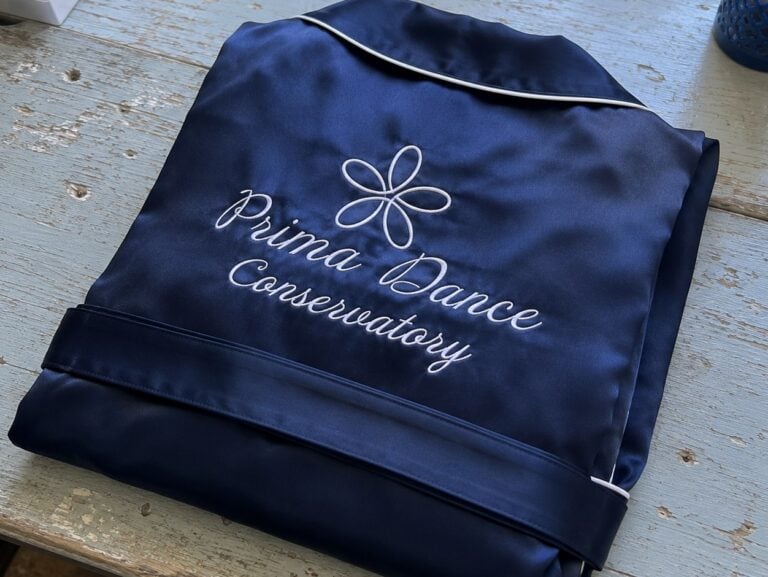
Satin. Custom satin kimono robes are the most flexible choice. A printed back design looks glossy and bold on satin, while an embroidered name on the chest gives the robe a boutique finish. Bridal parties often combine the two on satin.
Chiffon and lightweight festival fabrics. Custom festival kimonos are made to float and layer over outfits, so printing is the natural fit. Dense embroidery would weigh down a sheer fabric and can distort the drape. All-over prints, sunsets, florals and group artwork belong here.
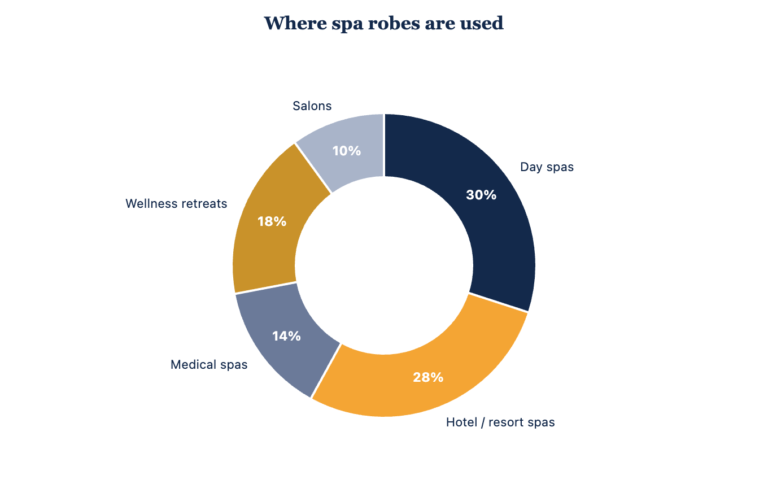
Waffle and spa-style robes. Custom waffle spa robes have a textured surface that breaks up fine printed detail, so a clean embroidered logo or monogram usually reads better. Hotels, salons and wellness retreats tend to choose embroidery on waffle.
If you are unsure, ask Get Custom Kimonos to show the same artwork both ways on the mockup.
Is embroidery worth it for names and monograms on kimonos?
Embroidery is usually worth it for names and monograms on kimonos that people will keep, because stitched lettering feels personal, holds its shape through washing and photographs well in close-up getting-ready shots. For a bridal party, a groomsmen set or a team, an embroidered name turns a matching robe into a keepsake.
Embroidery has limits worth knowing before you commit. Very thin script fonts, tiny type and long phrases can lose clarity in thread, so keep embroidered names short and choose a font with enough weight. Monograms of two or three letters are the sweet spot. Get Custom Kimonos lets names and titles change robe to robe within one order, so each wearer can have their own lettering in the same style.
Printing is the better pick for personalization when the name is part of a larger graphic, such as a name worked into a floral back design or a festival crew logo. In that case the printed version keeps everything in one consistent layer.
- Keep embroidered names short and in a medium-weight font.
- Use thread colors that contrast with the robe color.
- Check every spelling on the proof, robe by robe.
When does printing make more sense than embroidery?
Printing makes more sense than embroidery whenever the kimono design is large, full color, detailed or meant to cover most of the robe. A back design with a gradient, a photo-based graphic, a pattern that wraps around the sleeves or a festival theme with many colors is a print job. Thread simply cannot reproduce blends and fine shading the way ink can.
Printing also suits groups that want a bold look from across a room or a dance floor. Bachelorette crews, festival friend groups, cheer and dance teams and photography studios often want the design to be the first thing people see, and a large printed back panel does that best. Custom floral kimono robes are a good example, since the floral pattern itself is the design.
Printed kimonos also stay light and soft. On a sheer or flowing fabric, a print moves with the robe instead of adding stiffness, which matters for robes worn all day outdoors or layered over outfits.
The Get Custom Kimonos mockup shows where the print edges fall, so you can see whether a design should wrap or stop at a seam.
Can I combine printing and embroidery on the same kimono order?
Yes, you can combine printing and embroidery on the same kimono order, and many of the best-looking sets do exactly that. A common layout puts a large printed design on the back and a small embroidered name or monogram on the front chest. Each method then does the job it does best.
Mixed decoration works well for:
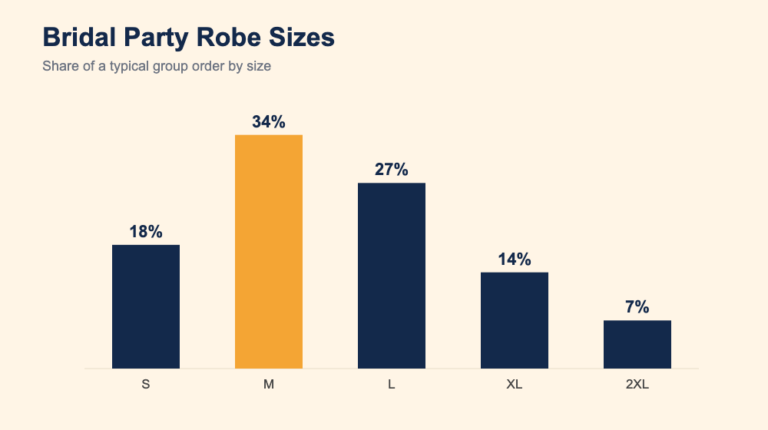
- Bridal parties: a printed wedding date or floral design on the back, an embroidered title like bride or maid of honor on the chest.
- Teams and academies: a printed crest or team graphic on the back, embroidered athlete names on the front.
- Businesses: an embroidered logo on the chest for a clean, branded look, with a printed pattern on the lining or sleeves.
Tell Get Custom Kimonos which placements you want and which method you prefer for each when you request a quote. The minimum order of 12 applies to the order, and names can change robe to robe within it. Combining methods can affect cost, so the quote will explain what drives the difference rather than leaving you to guess.
How do I decide on decoration before I request a quote?
Decide on kimono decoration by answering four questions before you request a quote: how big is the design, how many colors does it use, which fabric are you ordering, and will each robe carry a different name. Those four answers point clearly toward printing, embroidery or a mix.
- Size: larger than a hand on the chest usually means print.
- Colors: gradients, photos or many colors mean print; a few solid colors work for either.
- Fabric: sheer chiffon means print; waffle leans toward embroidery; satin takes both.
- Personalization: short names and monograms suit embroidery.
Send your artwork, fabric choice and the list of names with your request. Get Custom Kimonos returns a free mockup within 24 hours, offers unlimited free revisions, and you pay nothing until you approve the design. Standard turnaround is about 2 weeks after approval, with faster turnaround available with express shipping. Read how it works for the full process, or request a quote and ask to see both methods on your mockup.
Frequently asked questions
Can a printed kimono design and an embroidered name sit on the same robe?
A printed back design and an embroidered chest name can sit on the same kimono robe, and this pairing is one of the most popular layouts. The print handles the big, colorful artwork while the stitching adds a personal touch up front. Get Custom Kimonos shows both placements together on the free mockup so you can judge the balance before approving anything.
Does embroidery work on sheer chiffon festival kimonos?
Embroidery is rarely the right choice for sheer chiffon festival kimonos, because dense stitching adds weight to a light fabric and can pull or pucker the drape. Printing keeps chiffon soft and flowing, which is the whole point of a festival layer. If you want a stitched detail, ask Get Custom Kimonos about a heavier fabric such as satin for that order.
Which decoration lasts longer on kimono robes worn for years?
Embroidered details on kimono robes tend to feel the most durable on heavier fabrics like satin and waffle, since the thread is sewn into the robe. Printed designs also wear well when the robes are washed gently, turned inside out and kept away from high heat. For robes meant to last years, many buyers choose embroidery for names and print for large artwork.
Will metallic thread embroidery show up well on dark satin kimonos?
Metallic thread embroidery on dark satin kimonos usually stands out clearly, especially gold or silver lettering on black, navy or deep jewel tones. The contrast catches light in photos without needing a large design. Keep metallic lettering short and in a font with some weight, and review the Get Custom Kimonos mockup to confirm the thread color reads well against your robe color.
How small can an embroidered logo be on a kimono chest?
An embroidered logo on a kimono chest should stay large enough that every letter and line can be stitched cleanly, so very fine text and thin hairlines are best simplified first. Compact, bold logos translate best into thread. Send your artwork to Get Custom Kimonos and the team will flag any details that may fill in before you approve the mockup.
Do printed kimonos feel stiff or heavy compared with plain robes?
Printed kimonos generally feel close to a plain robe, because the design sits flat in the fabric rather than adding a raised layer. That keeps satin and chiffon soft and flowing, which suits festivals and getting-ready photos. Embroidery adds a slightly raised, textured feel in the stitched area only, so many buyers keep stitching to small placements.
Is printing or embroidery more photogenic for getting-ready photos in kimonos?
Both decoration methods photograph well on kimonos, but they shine in different shots. A large printed back design reads clearly in wide group photos taken from behind, while embroidered names and monograms look best in close-up detail shots. Bridal parties that want both often combine a printed back with an embroidered chest name on their Get Custom Kimonos order.
Can a hotel or spa get an embroidered logo on waffle kimono robes?
An embroidered logo on waffle kimono robes is a common choice for hotels, spas and salons, because the textured waffle surface suits stitching better than fine printed detail. A small chest logo looks clean and professional for guests and staff. Get Custom Kimonos can mock up your logo on waffle robes within 24 hours so you can check size and thread color.
Should a festival group print its crew name or stitch it on kimonos?
A festival group should usually print its crew name on kimonos, especially when the name is part of a larger back design or the robes are lightweight chiffon. Printing keeps the robes airy and lets the name share colors with the rest of the artwork. Get Custom Kimonos can add a generic crew design to spare robes for late joiners as well.
Does choosing embroidery change the turnaround for custom kimonos?
Choosing embroidery for custom kimonos does not change the basic process: a free mockup within 24 hours, unlimited free revisions, then standard turnaround of about 2 weeks after you approve the design. Faster turnaround is available with express shipping. Mention your event date when you request a quote from Get Custom Kimonos so the team can confirm timing for your decoration choice.
What should I check on a kimono mockup that mixes print and stitching?
On a kimono mockup that mixes print and stitching, check that each placement uses the method you asked for, that embroidered names are spelled correctly robe by robe, and that thread colors contrast with the fabric. Also confirm the printed design sits where you expect on the back or sleeves. Get Custom Kimonos revises the mockup free until it looks right.
Get a free mockup for your kimonos
Send your logo or idea and the quantity you have in mind. Get Custom Kimonos | Custom Festival & Event Kimono Robes returns a free mockup within 24 hours, you approve the design before anything is produced, and standard turnaround is about two weeks with faster options available. Get a custom quote.